

A Guide to Photographing Wildlife: Ethics, Technique, and Tools from the Hide
In a world increasingly disconnected from the natural rhythms of the wild, photographing wildlife is more than an artistic pursuit, it’s a way to reconnect, observe, and protect. For those who dedicate hours to waiting silently in hides, every frame is a testimony to patience, precision, and passion.
In this post, we explore techniques for photographing wildlife, gear recommendations (including the innovative Camera Hide Plate), and the ethics that shape responsible wildlife photography.
Why Photographing Wildlife From a Hide Changes the Game
Wildlife hides offer a front-row seat to moments most people never get to witness. Whether it’s a fox emerging at dawn or a kestrel hovering silently overhead, the proximity and authenticity of hide-based wildlife photography is unparalleled.
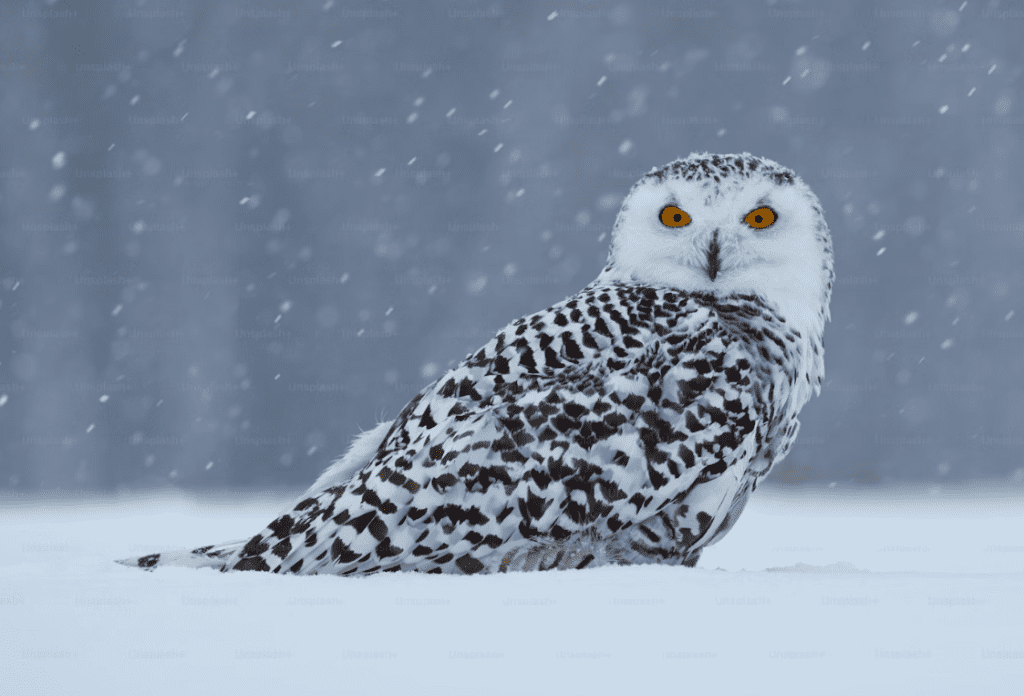
Advantages of hide photography:
- Invisibility – Animals behave naturally, unaware of your presence
- Improved Stability – Ideal for long lenses and low-light shooting
- Controlled Positioning – Align with natural light and animal trails.
The goal isn’t just to photograph wildlife, it’s to disappear into the environment and become part of the landscape.
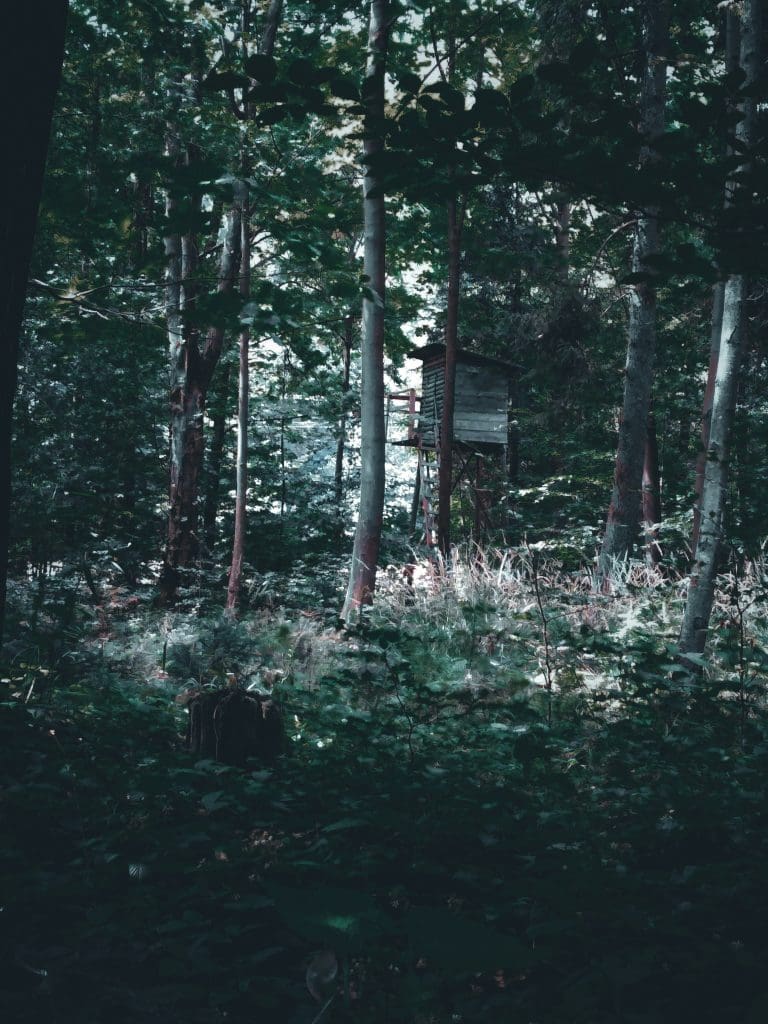
Choosing the Right Gear for Wildlife Photography
When you’re ‘photographing wildlife’ from a hide, your equipment should empower you to be still, silent, and swift. Here’s what to pack for success:
Camera & Lens
– A full-frame mirrorless or DSLR body with high ISO performance.
– Fast, prime telephoto lenses (e.g. 300mm f/2.8, 500mm f/4) to keep subjects crisp without intruding.
Camera Hide Plate
– The Camera Hide Plate offers exceptional low-profile stability on soft woodland floors or hide interiors.
– Its ultra-durable, eco-friendly build supports long shoots while minimizing environmental impact.
Accessories
– Remote shutter release for zero-vibration exposures.
– Rain covers, extra batteries, and memory cards.
– Camouflage netting, natural materials, and scent control to reduce detection.
Techniques for Capturing Stunning Wildlife Images
Mastering ‘wildlife photography’ means understanding the rhythms of nature and adjusting your approach accordingly.
- Know Your Subject
Study animal behaviour—feeding times, breeding seasons, preferred trails. The more you know, the more predictably you can *photograph wildlife* in compelling compositions. - Stay Patient
Don’t rush. A single breath-taking image may come after hours or even days of stillness. - Use Natural Light Creatively
– Early morning and dusk (golden hours) produce soft, directional light.
– Backlighting can highlight fur detail or atmospheric breath in cold air. - Compose for Impact
– Use natural frames (branches, foliage) to draw focus.
– Leave space in the frame for movement—especially with birds in flight or deer on the move.
Ethics in Wildlife Photography
Photographing wildlife with integrity ensures that your presence doesn’t harm the animals or their habitats.
- Key ethical considerations:
– Avoid nests, dens, and breeding sites—disturbance can have lasting effects.
– Leave no trace: remove hides, litter, and markers after use.
– Learn and follow local conservation laws and species protection guidelines.
– Never bait animals for a shot. Capture them as they are, not as you want them to be.
Your images should inspire awe without contributing to harm.
Telling a Story Through the Lens
When you photograph wildlife, think beyond individual frames. Try capturing sequences: a squirrel leaping branch to branch, or a heron fishing in stages. These layered narratives build emotional connection and visual storytelling strength.
Don’t shy away from imperfections—mud-splashed feathers or cautious glances can carry immense power.
Spotlight: Camera Hide Plate – Designed for Wildlife Photographers
Developed with field photographers in mind, the Camera Hide Plate is engineered for the real-world challenges of *wildlife photography*. Here’s why it should be part of your setup:
– Ultra-low profile for inconspicuous positioning inside hides or forest floors.
– Robust yet lightweight, perfect for mobility and long sessions.
– Eco-conscious materials reflect your commitment to conservation.
– Secure mounting for gimbals or pan heads, ensuring rock-solid focus on even distant wildlife.
It’s not just about supporting your gear—it’s about aligning with your mission to *photograph wildlife* responsibly and effectively.

top view of the camera hide plate with a bolt in place ready for gimbal
The Takeaway: Photograph Wildlife with Purpose
True wildlife photography isn’t about racking up likes—it’s about bearing witness. It’s a silent agreement between you and the wild: to observe without disturbing, to record without invading. And when it’s done right, the result is a blend of art, advocacy, and awe.
Whether you’re chasing the shimmer of a dragonfly’s wings or waiting for a tawny owl to emerge at dusk, your presence matters. Your work matters.
Every shot is a quiet act of stewardship. Let’s keep it wild.
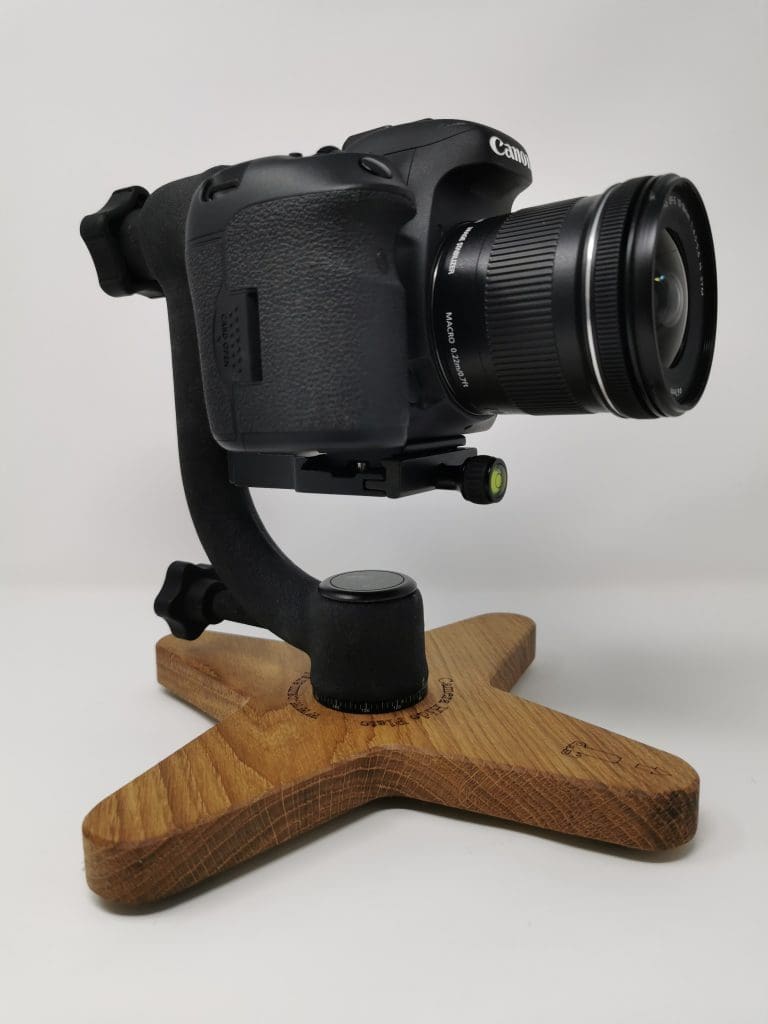
side view of the camera hide plate supporting a gimbal to which is attached a DSLR with macro lens