
The Perfect Kingfisher Hide: Strategies for Photographing Nature’s Jewel
Using a Kingfisher hide is one of the surest ways to grab some fantastic images of this elusive bird.
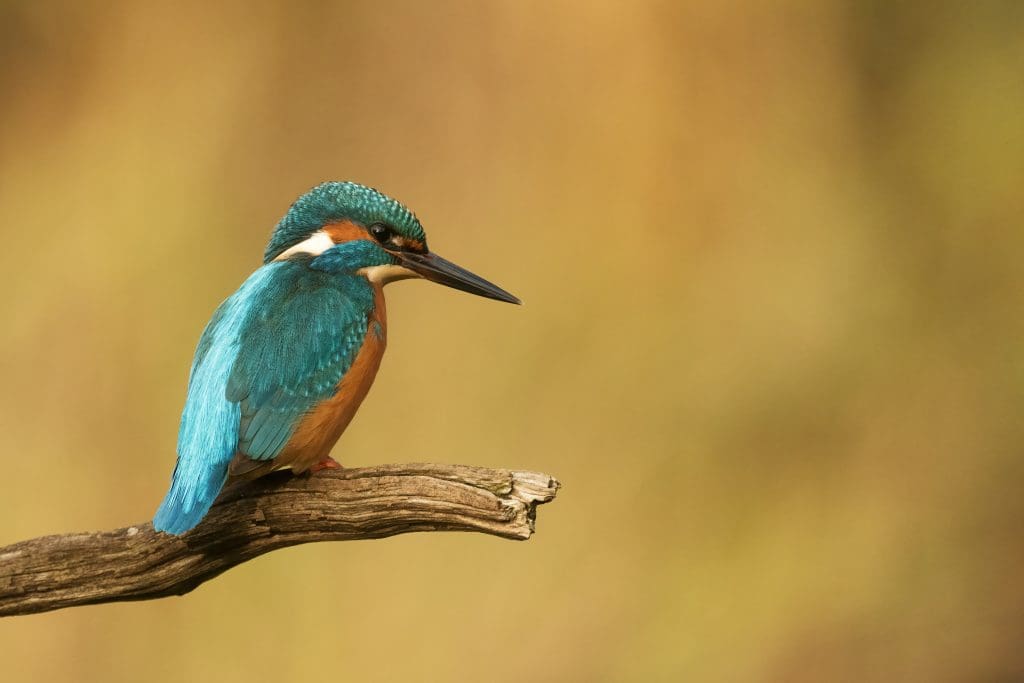
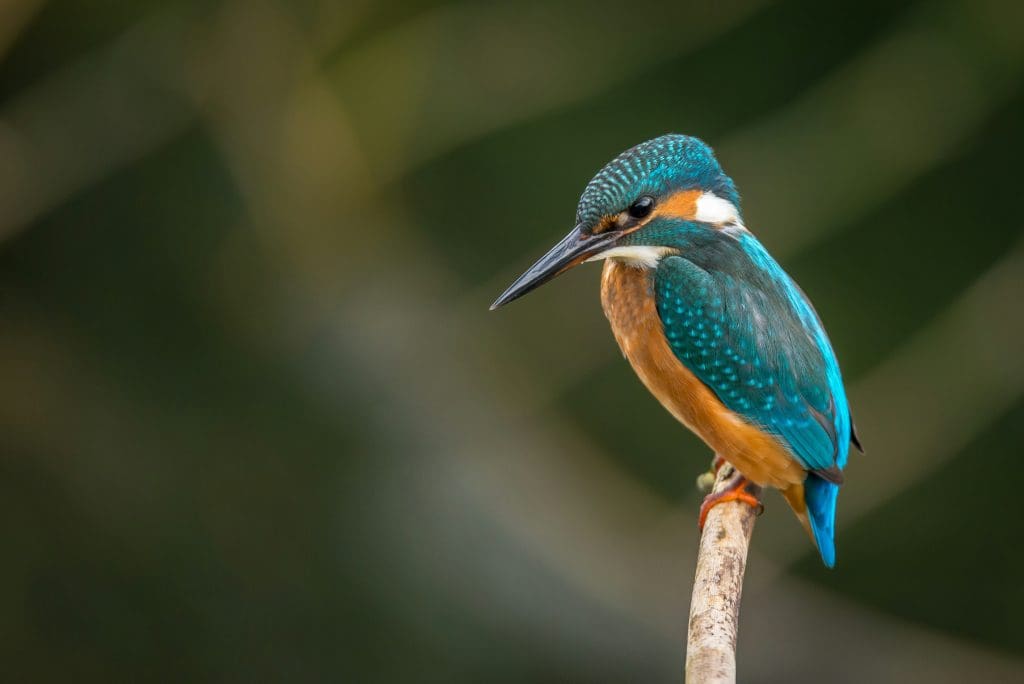
Few birds stir the heart of a wildlife photographer like the kingfisher. Their sudden bursts of colour, dagger-like beak, and bullet-speed dives make them a marvel to witness, and a challenge to photograph. Whether you’re an experienced birder or just starting your journey, the right kingfisher hide can transform your images from lucky snapshots to professional-quality captures.
This guide explores how to select the right hide, position yourself for results, and photograph kingfishers without disturbing their natural behaviour.
Take a closer look at the Camera Hide Plate
Why Photographing Kingfishers Demands a Specialised Hide
Kingfishers are famously elusive. Their agility, keen senses, and preference for quiet riverbanks mean that you must become practically invisible to get close. A well-designed hide for kingfisher photography ensures:
- Silent operation and minimal movement
- A concealed approach from the bird’s line of sight
- A low-impact footprint on sensitive habitats
This isn’t just about getting the shot—it’s about respecting the subject.
Key Elements of a Productive Kingfisher Hide
To photograph a kingfisher in action, you need more than a camo net and patience. Here are the fundamentals of a functional kingfisher hide setup:
- Strategic Placement Near Perches
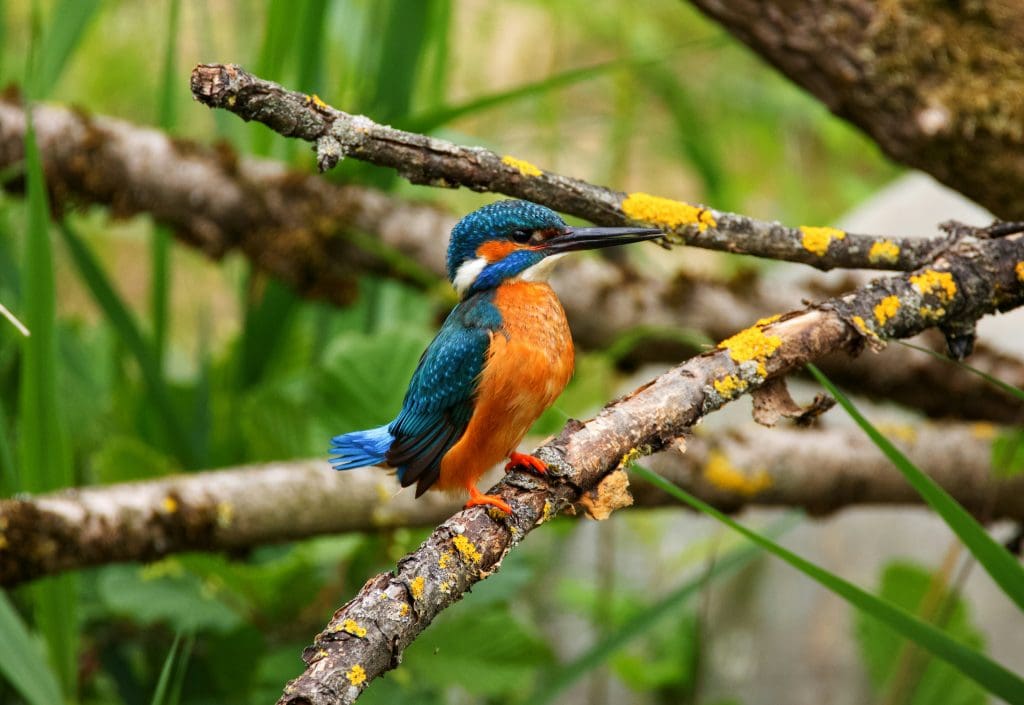
Kingfishers prefer returning to the same perch after hunting. Identify a favored spot—an overhanging branch or river snag—and place your hide facing it from a safe distance (often 6–10 meters). A side angle offers dynamic compositions, while a front-facing view captures head-on action.
- Low-Profile Mounting System
Kingfisher hides are often compact and close to ground level. The Camera Hide Plate is ideal for such setups: it offers a stable, vibration-free platform for DSLRs or mirrorless cameras with long lenses while remaining unobtrusive in tight spaces.
- Natural Camouflage and Silent Access
Blend your hide into the surroundings using foliage or riverbank reeds. Ensure zippers, windows, and tripod adjustments are all quiet. A sudden noise—even a squeaky mount—can ruin hours of preparation.
Ethical Considerations: Photographing Without Disturbance
Great kingfisher photography is rooted in patience and ethics. Avoid artificial setups, baiting, or perching structures near nesting sites. Always follow local wildlife photography codes and leave the site as you found it.
Signs of kingfisher stress include:
- Repeated calling or alarm notes
- Reluctance to visit known perches
- Abandonment of nesting tunnels
If you see any of these signs—back off immediately. A single image is never worth disrupting their routine.
Shooting Techniques: From Stillness to Speed
Once you’re in position and concealed, the magic begins. Here’s how to turn opportunity into gallery-worthy images.
- Use the Right Lens & Focus Strategy
A 400mm–600mm lens is ideal for kingfisher hide photography. Pair it with fast autofocus and set your camera to back-button focus or eye tracking if available. Kingfishers are lightning-fast, so pre-focusing on a perch increases your chances of sharp results.
- Prioritise Shutter Speed
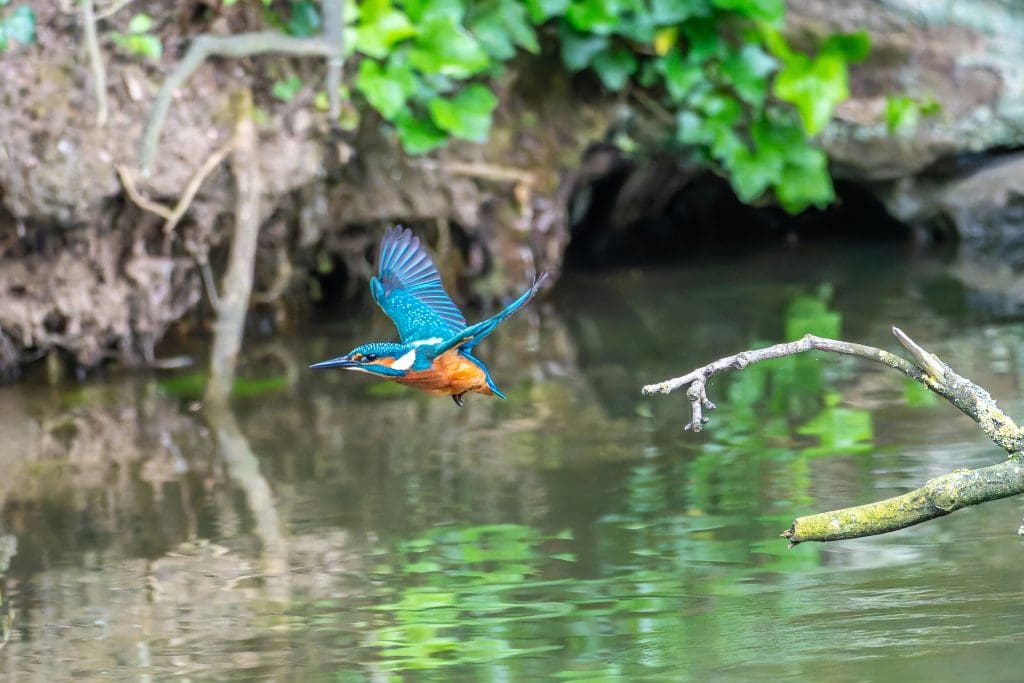
To freeze motion mid-dive, you’ll need at least 1/2000s. For portraits or perching shots, 1/800s often suffices. Use wide apertures to isolate your subject and produce a buttery bokeh that makes that iridescent plumage pop.
- Shoot in Silence
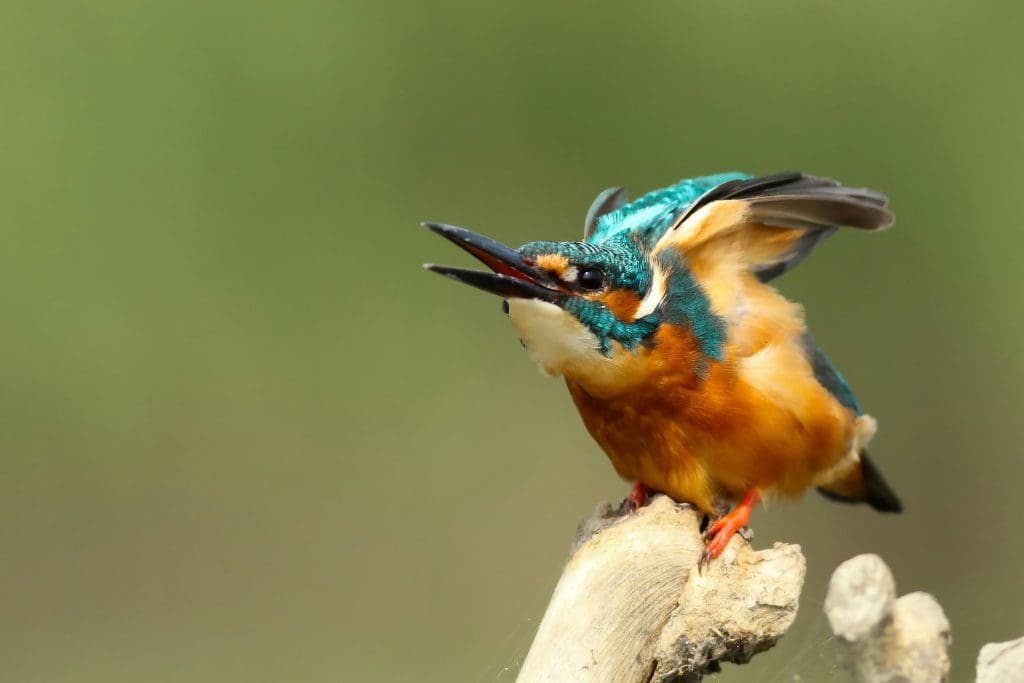
Use a silent shutter mode to reduce noise. Kingfishers are easily startled by unexpected sounds, especially if they’re actively hunting or preening.
The Role of the Camera Hide Plate in Kingfisher Setups
At CameraHidePlate.com, we understand the unique rigors of bird photography from a hide. Our signature Camera Hide Plate is designed for low-profile, high-performance setups that excel in woodland and riverbank scenarios.
Key advantages for kingfisher hide users include:
- Compact profile: Fits tightly into ground-level hides without bulky legs or mounts.
- Precision mounting slots: Adapt to ball heads or fluid heads depending on whether you’re shooting stills or video.
- Sustainable craftsmanship: Built with minimal environmental impact in mind—no frills, just focused function.
If you’re serious about kingfisher images that respect the subject and the setting, your gear should reflect that philosophy.
When & Where to Use a Kingfisher Hide in the UK
In Britain, the best times to observe kingfishers are spring through early autumn. Look for them around:
– Slow-moving streams or canals
– Woodland rivers with overhanging trees
– Fish-rich ponds or oxbow lakes
Early morning (just after sunrise) and late afternoon offer the best light and increased activity. If you’re scouting new locations, look for white droppings below perches—a good sign that kingfishers visit frequently.
Sharing Your Work Responsibly
Once you’ve captured that perfect kingfisher moment, share it with intention. Whether it’s an Instagram series or a gallery submission, always credit the ethical practices that led to the image.
Final Thoughts
Photographing kingfishers is a pursuit that blends discipline, knowledge, and respect for the natural world. With a well-placed kingfisher hide, you become not just a photographer—but an observer, a storyteller, and a protector of quiet moments by the water’s edge.
At CameraHidePlate.com, we celebrate that craft. If you’re building your next hide—or refining one you’ve used for years—our gear is designed to elevate your vision without compromising your ethics.
Visit Roger Chapman Photography and get your own hide plate.